Certified Cat Behaviorist.
Worldwide Feline Consultations.
Fear Free Certified.
If your cats are fighting, your cat is peeing outside the litter box, or introductions have gone sideways, I can help you figure out why it’s happening and how to stop the behavior.
Customized Cat Behavior Solutions
Understand the Why Behind Cat Behavior
A Happier Home for You and Your Cat
30+ Years
Working With Cats
Because every cat has a story, and understanding changes everything.
Certified Cat Trainer (ABCCT), Animal Behavior College · Fear Free® Certified Animal Trainer

Virtual Cat Behaviorist Services Helping Cat Owners Worldwide
Rita Reimers, Cat behaviorist, educator, and lifelong cat advocate.
As a triple-certified cat behaviorist, I offer remote, science-based virtual cat behavior consultations to help cat guardians throughout the United States resolve complex challenges. Whether you are dealing with multi-cat aggression, litter box avoidance, or severe anxiety, my approach is kind, practical, and rooted in feline behavior science. Every cat deserves to be understood, and I am here to help you restore harmony to your home.
I am an Animal Behavior College Certified Cat Trainer (ABCCT), Fear Free® certified, and Surrender Prevention certified. I also bring more than 20 years of firsthand experience living in a multi-cat household, where I have learned how individual personalities, relationships, and changing household dynamics influence feline behavior.
Specialized Training
in Cat Behavior
30+ Years of
Hands-On Experience
Compassionate,
Science-Based Approach
Featured in Media,
Podcasts & Interviews
A ONE-MINUTE WELCOME
Welcome to The Cat Analyst
When life with your cat becomes stressful, you deserve understanding and practical help. As a cat behaviorist, one of the first things I’ll ask is, “Walk me through the last time it happened. What was your cat doing just before?”
Please watch my short welcome video to hear why helping people and their cats stay together means so much to me.
Common Behavior Challenges
Whether your cat is avoiding the litter box, struggling with another cat, or keeping you up at night, my job as a cat behaviorist is to help you understand what’s happening and why. Together, we’ll work out a practical plan that fits your cats, your home, and your daily life. I will be with you every step of the way to answer questions and fine-tune your behavior plan. Cat behavior correction is within reach; let me help you get there.
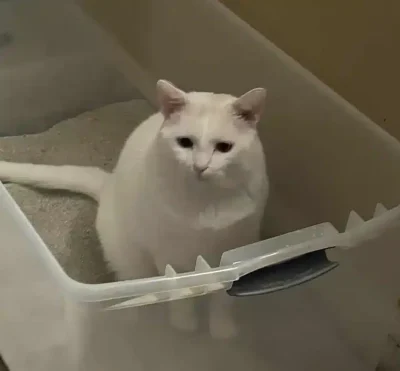
Cat Litter Box Problems
Why is your cat avoiding the litter box?
One of the first things I’ll ask is where your cat is going instead. Are you finding pee right beside the box, on your bed, or in the same corner every time? I’ll also ask what your veterinarian has checked, especially if this is a new behavior.
As a cat behaviorist, I look at the litter box from your cat’s point of view. Is it easy to step into? Does another cat like to sit in the doorway your cat has to pass through to reach it? Details like these help us figure out what to change first.
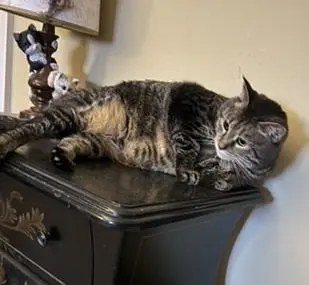
Off-Limits Places
Does Your Cat Love Countertops?
Does your cat hop onto the counter the minute you start making dinner? Maybe the top of the refrigerator is a favorite lookout, or you’ve caught your cat balancing on a curtain rod.
Together, we’ll figure out what makes that spot so appealing. If your cat likes to supervise dinner, a nearby perch with a good view might be just the ticket. I’ll help you choose a spot that works in your home and show you how to encourage your cat to use it.
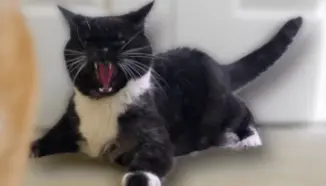
Cat-on-Cat Aggression
Have Your Cats Started Fighting?
Maybe your cats used to curl up together, and now one chases the other down the hall. Or perhaps they’ve never quite gotten along, and you find yourself watching for the next confrontation.
I’ll ask what happens just before a chase and what each cat does afterward. Does one sit at the foot of the stairs while the other waits for a chance to come down? Details like that help us see where tension builds and find ways for each cat to move around your home comfortably. The goal is peaceful coexistence, so your cats, and you, can relax at home.

Introducing Cats
SOS Cat Introductions
Are you welcoming a new cat or combining households with someone who has cats of their own? You may have heard that you should simply put them together and let them “work it out,” but successful introductions take preparation, patience, and a plan.
With my SOS Method for Cat Introductions, I’ll help you read each cat’s body language so you know when to take the next step and when to give them more time. Progress can be as quiet as one cat noticing the other through a screen, then going back to playing. The goal is for your cats to feel comfortable sharing space, each at their own pace.t simply to get the cats into the same room, it is to help them feel comfortable being there together.

Nighttime Activity & Vocalization
Why Does My Cat Keep Me Awake?
It’s 3 a.m., you need to get up in three hours, and your cat seems determined to keep you awake. Maybe you hear howling from the hallway, or maybe your cat just raced across your bed for the third time tonight.
I’ll ask when this started and what happens when you get up. Does your cat lead you to the kitchen, bring you a favorite toy, or keep calling even with you right there? Those details help us figure out what your cat needs and what might help you both settle down for the night.
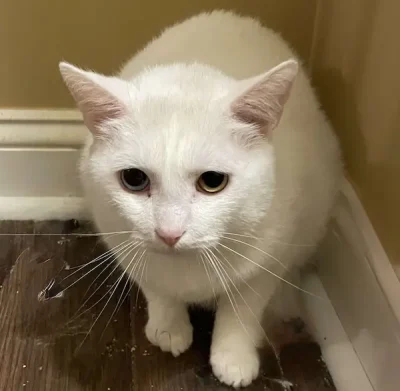
Sudden Behavior Changes
Why Is My Cat’s Behavior Changing?
Maybe the cat who always greeted you at the door now spends the afternoon under the bed. Or you’ve noticed your cat is eating less, startling at familiar sounds, or grooming much more or less than usual. If this is a change for your cat, call your veterinarian and describe what you’re seeing.
While your veterinarian looks into possible medical causes, I can help you piece together what’s happening at home. When did your cat stop coming to the door? Has another cat started spending time in that hallway? We’ll look at what changed around the time the behavior started and work out what might help your cat feel comfortable again.
Other Cat Behavior Concerns
These are just some of the challenges I can help you and your cat work through. I also offer guidance with:
- Spraying/Marking
- Separation Anxiety
- Feline Non-Recognition Aggression
- Aggression Toward Owners/Visitors
- Shy & Fearful Cats
- Overgrooming
- Pica or Chewing Non-Food Items
- Furniture Scratching
- Rough Play
- Biting
- Door Dashing/Escape Attempts
- Cat–Dog Introductions & Conflict
- Moving With Cats
- Preparing Your Cat for a New Baby
- Traveling With Cats
- Difficulty With Handling, Brushing, or Nail Trims
- Introducing Kittens to Adult Cats
How a Cat Behaviorist Can Help
As a triple-certified feline behaviorist with over a decade of hands-on experience, I help cat guardians uncover the root causes behind their cats’ behaviors. Whether you’re dealing with litter box avoidance, aggression, anxiety, or multi-cat tension, we look at your cat’s history, environment, and veterinary health to build a customized, science-backed plan that works for your household.
When should I contact a cat behaviorist?
If your cat is spraying, avoiding the litter box, showing aggression, hiding excessively, or struggling to get along with another pet, reach out as soon as you notice the change. In my experience, addressing behavior challenges early prevents them from becoming deeply ingrained habit, you never have to wait until things feel overwhelming.
Because sudden behavior shifts can be linked to pain or illness, I also recommend scheduling a veterinary exam to rule out underlying medical issues before we begin our behavior work together.
Can a cat behaviorist help with litter box problems?
Absolutely. Litter box avoidance and urine marking are among the most common concerns I help cat guardians address. After medical problems have been considered, we look at the litter box setup, household relationships, environmental stressors, and your cat’s individual habits to develop a practical plan.
What if my cats aren’t getting along?
Tension between cats isn’t always obvious; it can show up as silent staring, blocking access to litter boxes or food, chasing, hissing, or outright fighting. Through my work with multi-cat households, I analyze your home’s layout, daily routines, and each cat’s personality to pinpoint what is triggering the territorial stress. From there, I guide you through structured reintroductions and targeted environmental changes that build confidence, reduce conflict, and help your cats coexist peacefully.
Do virtual cat behavior consultations really work?
Yes! In fact, virtual consultations are often more effective than in-person visits because cats stay relaxed in their normal routine rather than hiding from a stranger. Using live video, you can walk me through your home’s layout so I can observe your cat’s natural environment, review videos of the behavior as it happens, and spot subtle environmental triggers. Because every cat and household is unique, I use what I see during our session to build a tailored, practical action plan for your specific space rather than offering generic advice.
HOW WE WORK TOGETHER
The Cat Analyst Difference
As an online cat behaviorist, I believe every cat has a story, and every behavior has a reason. In this short video, I’ll introduce you to my approach and explain how we can work together to bring harmony back to your home.
What Cat Lovers Are Saying
Real cats. Real results. Happier homes.